Satureja hortensis
Savory contains strong aromatic essential oils, which are reminiscent of mint and pepper.
Dried savory has a strong aroma and contains a natural essential oil that becomes even stronger when the spice is thoroughly dried. Thyme and marjoram have the same effect when dried.
– Dried savory is ideal for both hot and cold dishes.
– It is recommended to add it to the dish in the last 5 to 10 minutes of cooking so it can release its strong aroma. It should not roast or burn because it will take on a bitter flavour.
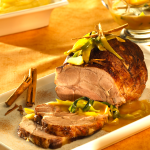
– Savory goes perfectly with meat dishes and grilled fish and vegetables. It is good to mix it with a little olive or some other good oil and drizzle over a finished dish before serving.
– For boiled green or yellow legumes: cook the legumes, sauté them in a pan in butter and season with a generous pinch of savory before serving.
– In the absence of oregano: savory is perfect for pizza, too!
Savory belongs to the same family as thyme, rosemary, oregano, marjoram and sage. All these plants belong to the Lamiaceae family. In ancient Rome, savory was one of the most popular aromatic herbs. In the Middle Ages, savory was used in Germanic countries as a substitute for pepper.
It can be used with: Savory is extremely versatile and goes perfectly with, for example, hot peppers, coriander, enriched salt, fleur de sel, honey, ginger, garlic, caraway, lavender, lovage, olives, pepper, rosemary, cinnamon, lemon zest, onion.