Cuminum cyminum
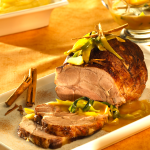
Cumin has a warm and slightly sweet flavour. It is reminiscent of Mediterranean herbs and has a slightly toasted note. This characteristic with a pleasantly astringent note goes perfectly with meat in a pan or on a grill.
Cumin: the dried seeds of a plant from the Apiaceae family (Umbelliferae). Cumin seeds contain a strongly aromatic essential oil that adds refinement to many dishes of Indian and Eastern cuisine. Cumin is the basic ingredient of many Indian mixtures of spices also known as masala.
– Cumin is ideal as a table spice as well. It can be crushed in a mortar or ground in a spice grinder.
– Toast the cumin seeds in a pan without adding fat until they begin to release their scent. Remove from the heat, cool and crush in a mortar – this way we will get an even more intense aroma.
– In stewed dishes and sauces (e.g. ragù, roast meat), we can add it to the dish in the last 10 minutes of cooking. In this way, it will release its aroma the best. Advice: put the cumin seed in a filter bag and immerse the bag in the sauce. Remove the bag before serving.
– has a very aromatic flavour and should be used sparingly. The ideal quantity is a pinch or a dab on the tip of a knife.
Cumin is one of the oldest spices. It has been used since the time of ancient Rome and is mentioned in the collection of recipes by the famous gourmet Apicius. At that time, it was customary to keep the cumin in vinegar, then dry it and use it as a spice. In this way, its aroma becomes more intense.
Cumin fruits have a strong, aromatic flavour.
It can be used with: cumin goes well with barberry, mixtures of edible flowers, hot peppers, enriched salt, honey, ginger, garlic, olives, oregano, pepper, pine kernels, rose petals, raisins, rosemary, fragrant sumac and thyme.